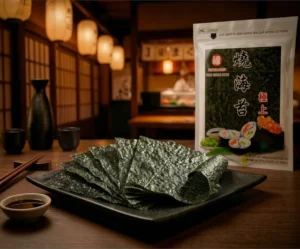
The choice of nori seaweed directly influences the final result of a dish. Texture, flavor, strength, and application vary significantly across different lines, and understanding these differences is essential for chefs, restaurants, and even more demanding consumers.
Fukumatsu works with different Nori categories, each designed for a specific type of preparation and gastronomic experience. Below, you’ll clearly understand how each line is positioned.
How to choose the best nori
The Platinum line is designed for high-end gastronomy. Its texture is thin, crisp, and uniform, providing a refined finish to sushi. The flavor is mild, slightly sweet, and highly sophisticated.
Its dark, glossy color enhances the perception of quality in the dish. Despite being highly resistant, it maintains flexibility, making it easy to handle without compromising its delicacy.
It is primarily recommended for premium restaurants, where presentation and sensory experience are key. The cost is higher, but it reflects the level of quality delivered.
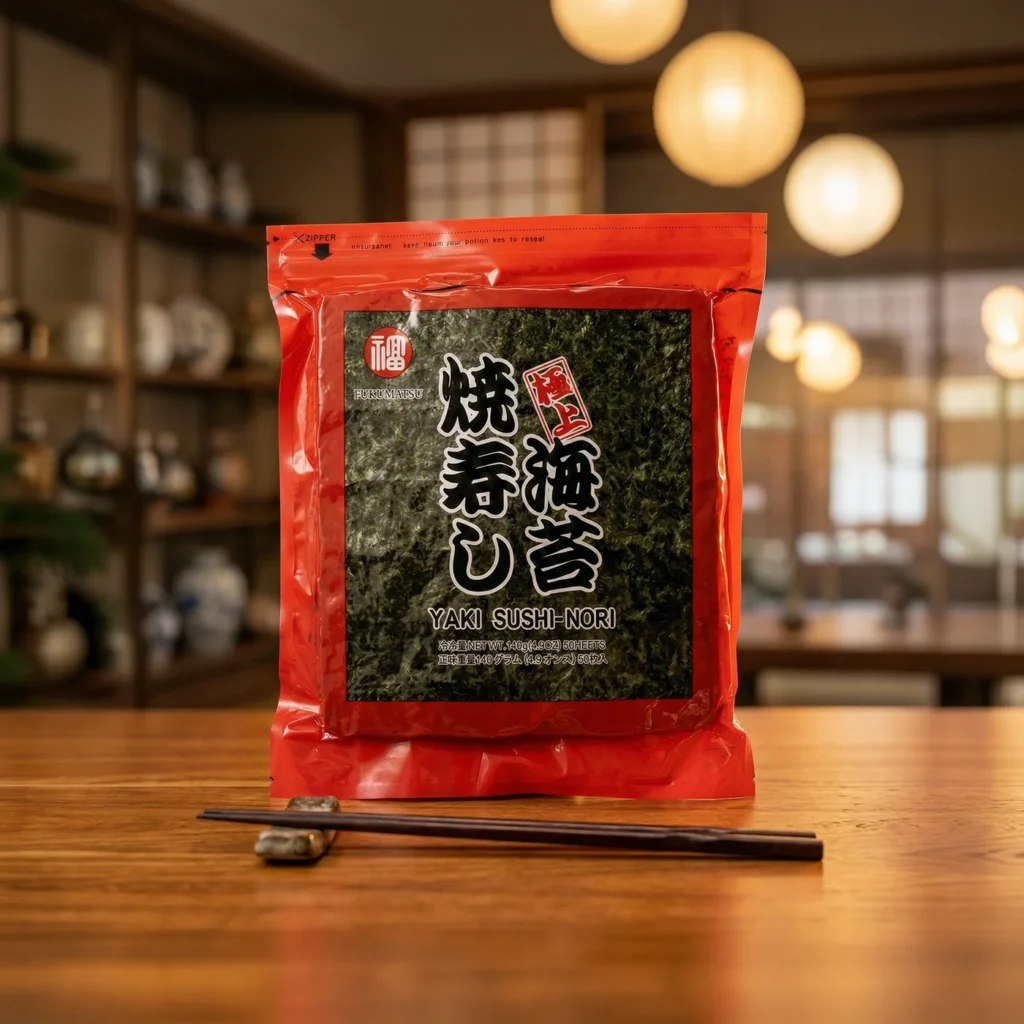
Ruby: robustness and intensity
The Ruby line is a thicker and highly durable seaweed. Its main characteristic is its ability to withstand more demanding preparations and high-volume operations.
The flavor is more pronounced, with a subtle earthy note that adds character to the dish. Its color tends toward a reddish-brown tone, visually setting it apart from the others.
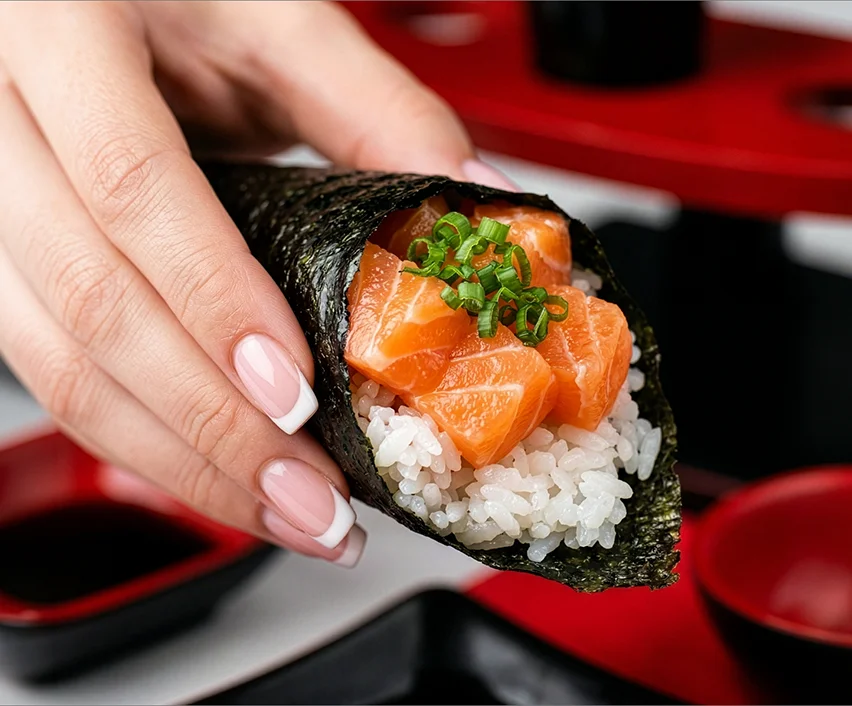
It is ideal for all-you-can-eat services, buffets, and more robust temaki, where durability is essential to prevent tearing during service. It offers a good balance between quality and price, making it a strategic choice for high-volume operations.
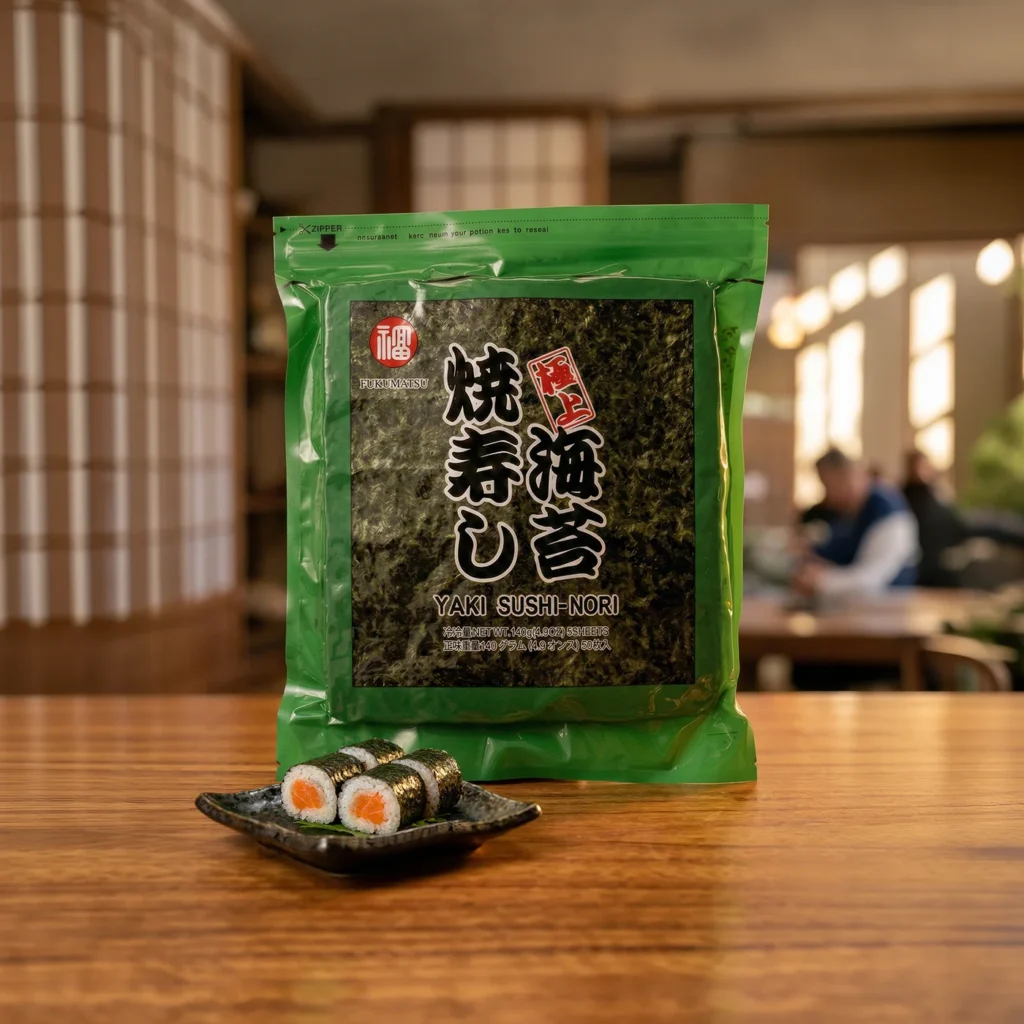
Emerald: balance and versatility
The Emerald line sits in an intermediate position. Its texture is soft and pleasantly crisp, offering a balanced experience between delicacy and durability.
The flavor combines sweet and savory notes, appealing to different audience profiles. Its dark green color maintains an attractive appearance on the plate.
It is recommended for homemade sushi, onigiri, and casual restaurants. It is also widely used in delivery operations, as it combines quality with excellent cost-effectiveness.
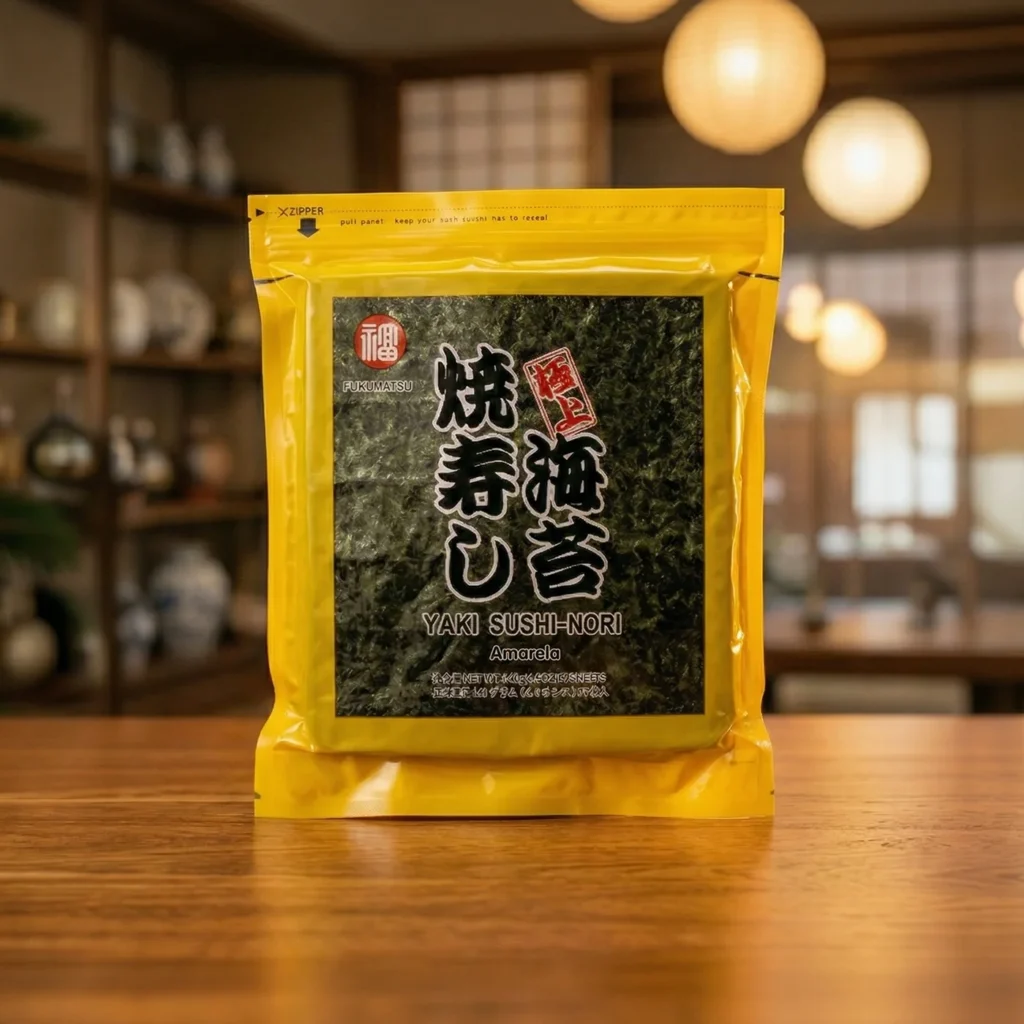
Yellow: practicality and cost-efficiency
The Yellow line is the most affordable option. It has a thin texture, but is less resistant, making it ideal for preparations that involve heat, such as hot rolls.
The flavor is mild and delicate, with minimal interference in the other ingredients. Its golden-yellow color is characteristic of this category.
It is recommended for fried and hot dishes,where extreme durability is not required. Its main advantage is its more economical price, making it a smart choice for operations seeking cost optimization.
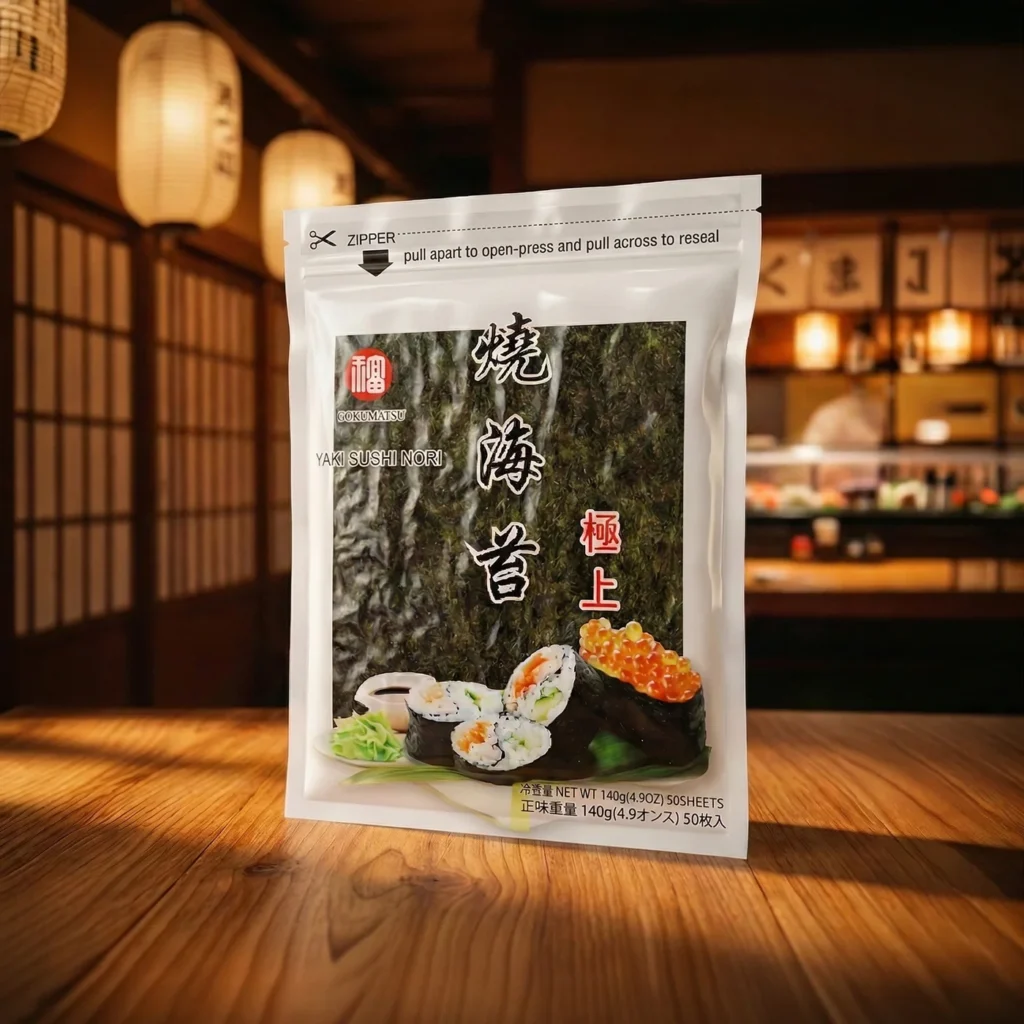
How to choose the best nori
The choice of the ideal seaweed depends directly on the type of operation and the positioning of the business. Premium restaurants tend to choose Platinum. High-volume operations benefit from Ruby. Businesses seeking balance find Emerald an excellent alternative. Yellow, on the other hand, meets specific demands with a focus on cost and practicality.
More than just a raw ingredient, nori impacts the customer’s perception of quality. Understanding these differences allows for more strategic decisions and helps elevate the overall quality of the final product.
Fukumatsu: your best Nori choice
Fukumatsu Asian Foods and Products is a company with over 20 years of tradition in the market. Specializing in imported Asian products, Fukumatsu is committed to offering high-quality products and serving the largest distributors in the Eastern food service sector. We offer a complete range of Sushi Nori seaweed to meet the different needs of our customers’ businesses.